What Commercial Photography Services Usually Cover
Commercial photography services are commissioned image work made for a business purpose, not for a photographer's portfolio. The subject can be a product, a team, a building, a location, or an event, but the output is always meant to do a job: sell something, explain something, or represent the brand accurately.
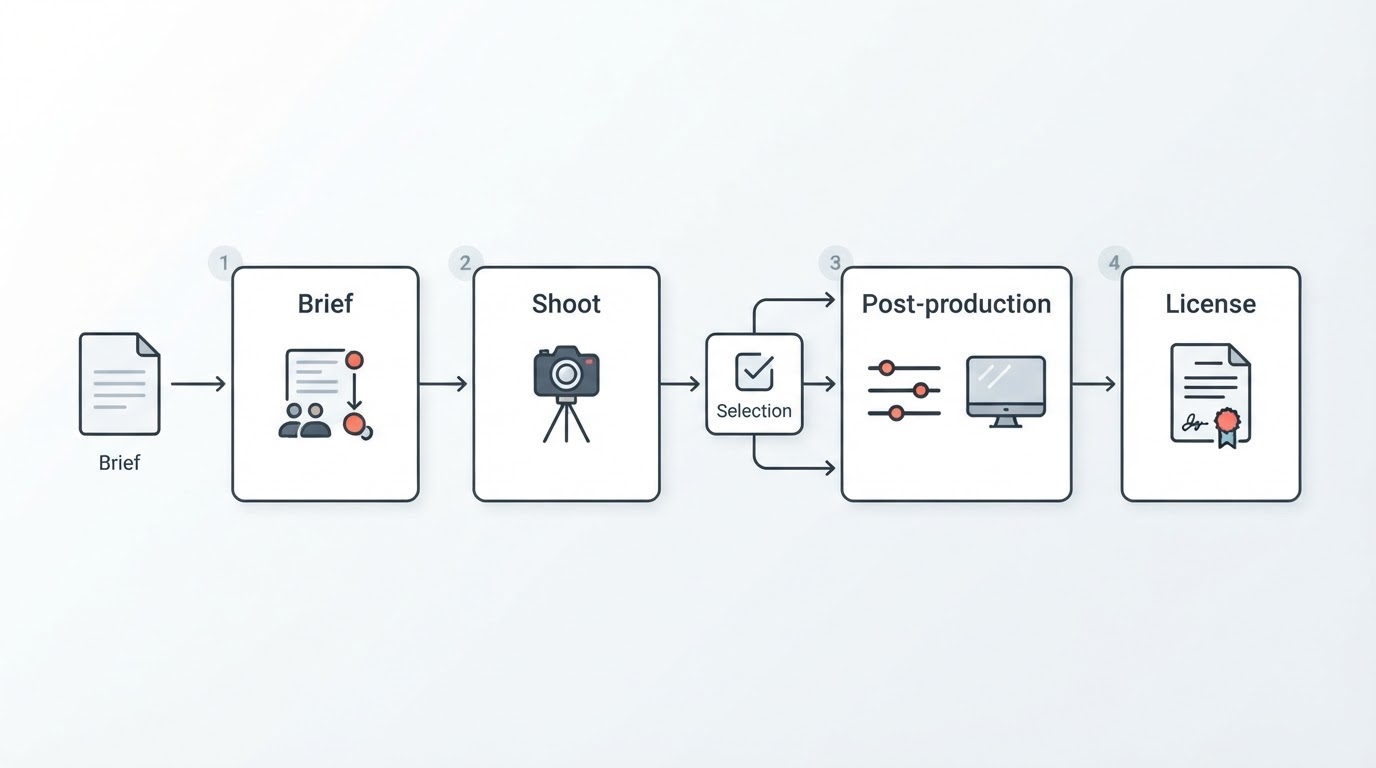
Most engagements follow the same four stages, whether the shoot takes two hours or two weeks.
Planning
Pre-production covers the brief, the shot list, locations, casting or product selection, scheduling, and the practical details that keep a shoot day calm. It is also where usage rights get decided. A shoot planned around "we need images for the website and a fall campaign" will be scoped differently from one planned around "we need ten product images on white."
Capture
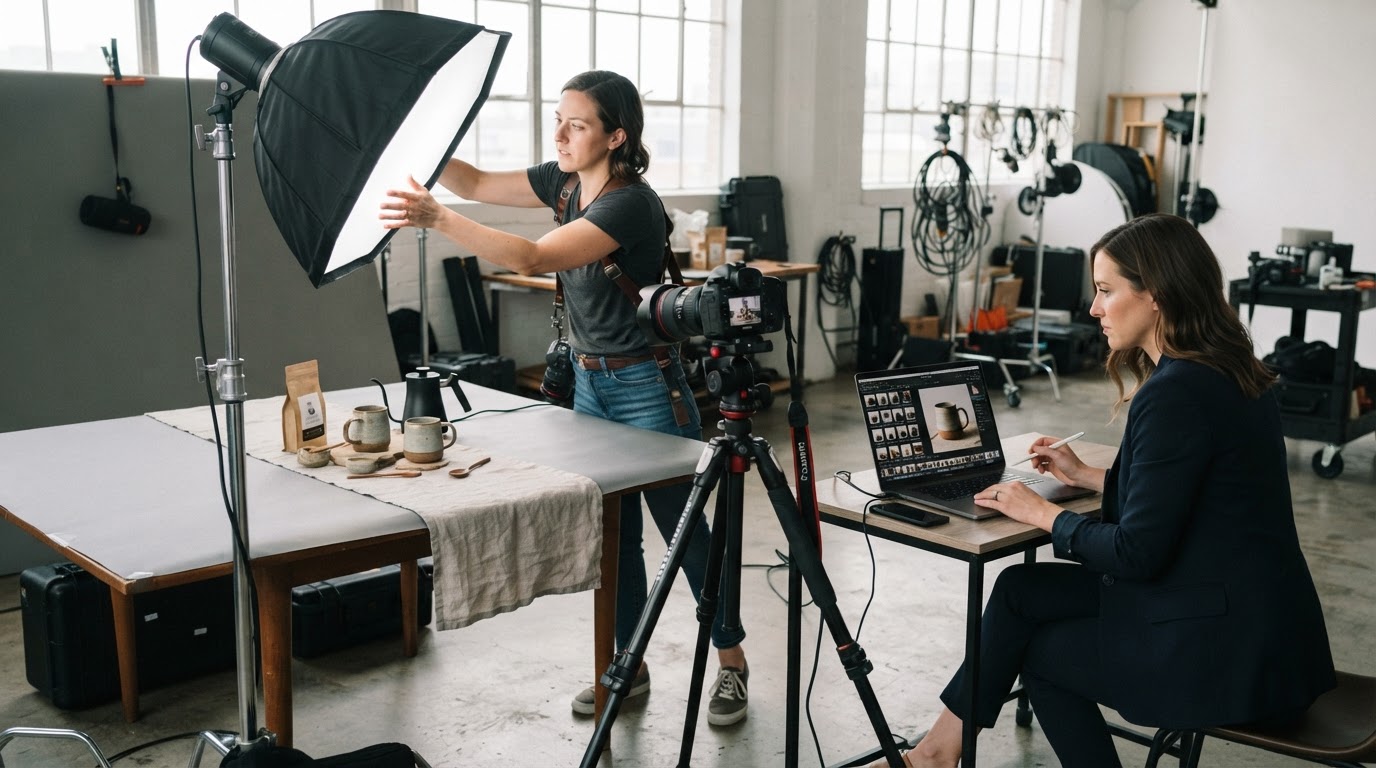
Capture is the shoot itself: lighting, composition, direction, and enough variations to give you choices later. For products and spaces, this often means moving between wide establishing shots and tighter detail frames. For people, it means building in time for expressions and small adjustments.
Post-production
Post-production includes selecting the strongest frames, color and exposure correction, retouching, and preparing the file formats you asked for. The amount of retouching is one of the most common sources of surprise, so it belongs in the brief and the quote rather than in a follow-up email.
Delivery and licensing
Delivery is where the images become usable. You receive the agreed files, often in several sizes, plus the written terms that say where each image can appear, for how long, and in what context. Those terms matter as much as the photographs themselves.
Common Business Use Cases
Businesses commission commercial photography for a handful of recurring reasons. The use case decides the shoot type, the location, and the format you need.
- Website and landing page imagery that shows a real product, place, or team
- Campaign and advertising assets built around a specific message or season
- Product imagery for ecommerce, catalogs, and marketplace listings
- Social and editorial content that keeps a feed or a blog current
- Press, public relations, and investor materials that need clean, credible visuals
- Print work such as menus, brochures, signage, packaging, and annual reports
- Recruitment and internal communication imagery that shows the working environment
Matching the Shoot Type to the Goal
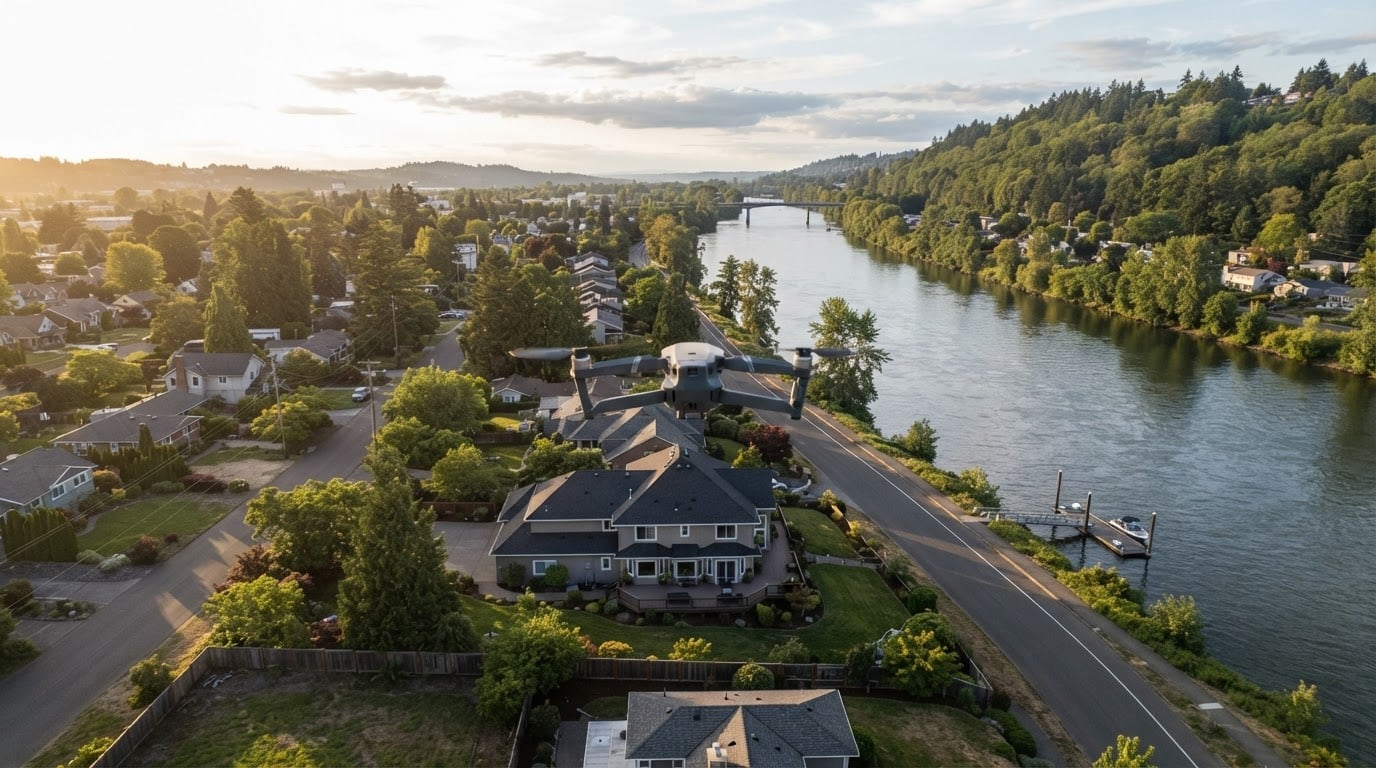
Product photography isolates the item and shows its details. Lifestyle photography places the product or service in a realistic setting. Environmental and architectural photography documents a space, its scale, and its light. Headshots and team portraits put faces to a business. Aerial photography adds height and context for property, land, and destination work. Many campaigns combine two or three of these, which is why the brief should name the placements rather than only the subject.
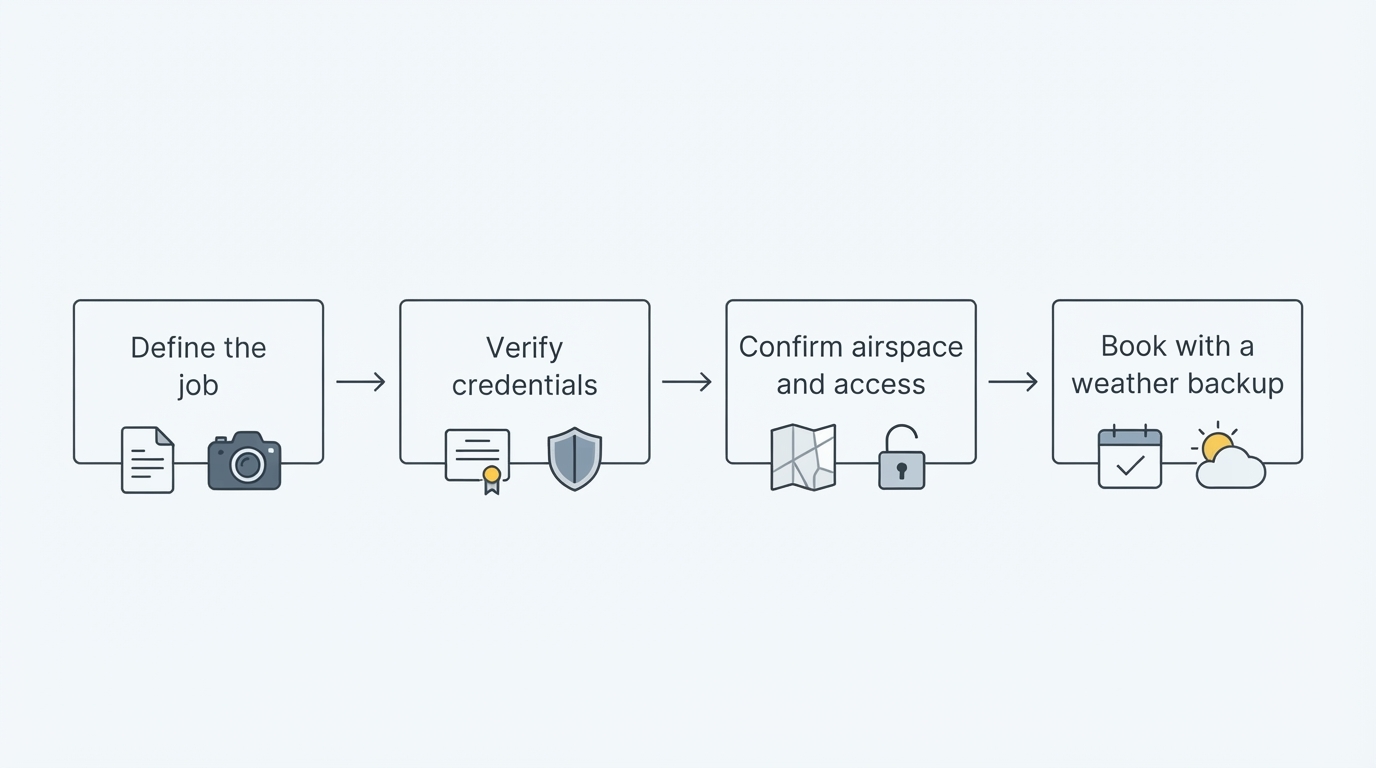
How to Choose a Commercial Photographer
Start with relevant work, not the most impressive work. A photographer whose portfolio is full of weddings may be excellent and still be the wrong choice for a product launch. Look for images shot under conditions similar to yours: the same kind of subject, comparable lighting, and a similar final use.
Then check how the photographer talks about rights and process. Clear answers about licensing, delivery, file formats, and timelines are a good sign. Vague answers are worth resolving before you book, because they tend to surface at the worst moment.
Questions Worth Asking Before You Book
- Can I see a recent project that is similar to mine?
- What exactly is included in the quoted scope, and what is billed separately?
- How are usage rights defined, and how long do they last?
- What file formats and image sizes will I receive?
- What is the delivery timeline, and what happens if the schedule slips?
- Do you carry insurance, and do you have a backup plan for equipment failure?
- Who owns the copyright, and what am I licensed to do with the images?
A regional example makes the licensing question concrete. Chris Sidoruk Media, a Connecticut-based photography practice, describes its assignment work as commercial and editorial photography for businesses and brands in Connecticut and the surrounding region, including content creation deliverables. It also states that commercial use such as campaigns, advertising, and merchandise requires a license, with campaign work quoted individually. Whether you work with a practice like that or a larger studio, the useful pattern is the same: written scope, written rights, and a named contact.
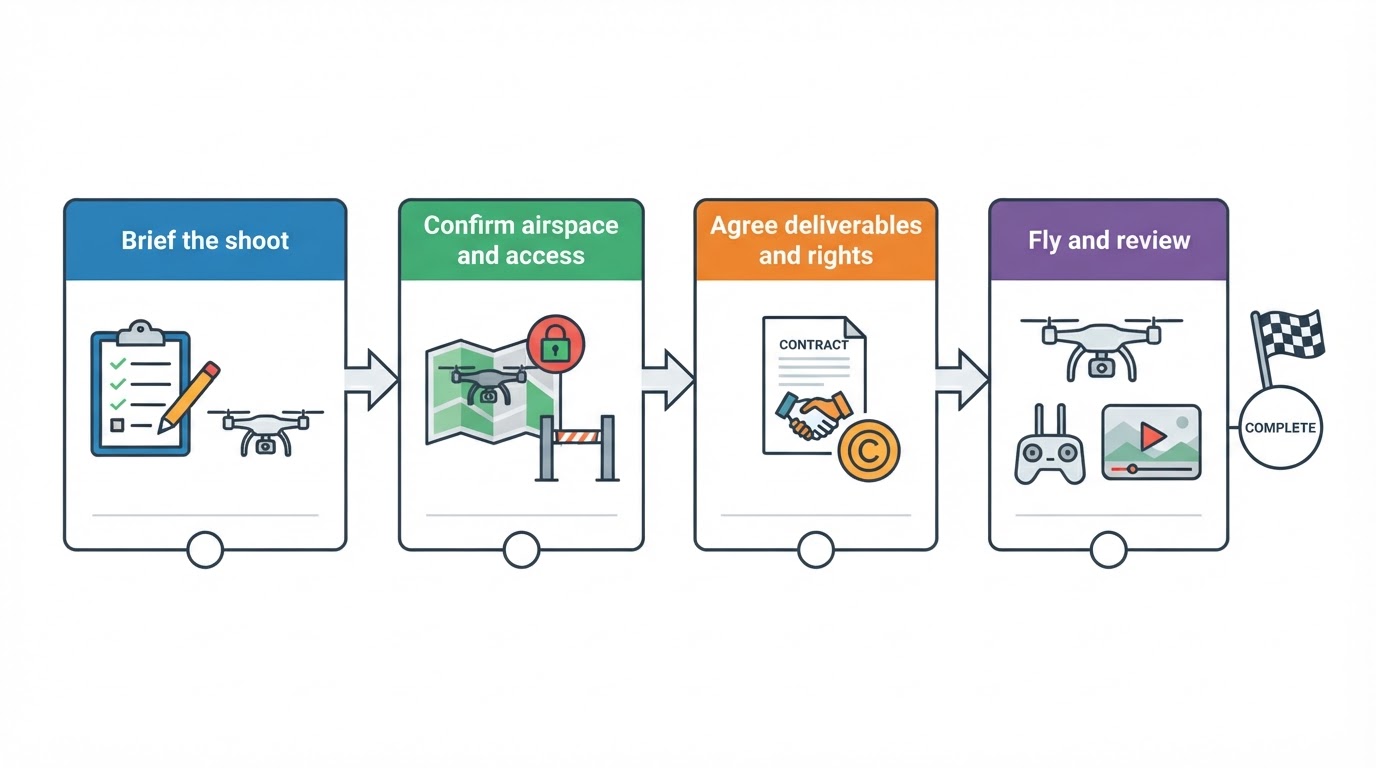
How to Brief a Photographer
A good brief is short, specific, and written. It does not need to be beautiful. It needs to remove the guesswork that turns a straightforward shoot into a week of email.
What a Brief Should Include
- The objective: what the images need to achieve and how success will be judged.
- The audience: who will see the images and where.
- The deliverables: number of final images, formats, sizes, and crop requirements.
- The usage: channels, duration, territory, and whether paid media is involved.
- The look: two or three reference images with a note on what you like about each.
- The locations and schedule: addresses, access times, and any restrictions.
- The people and products involved: who or what appears, and who prepares them.
- The approvals: who signs off, and at which stage.
- The budget and timeline: the number you have agreed, and the date you need the files.
Put Usage in Writing
Usage is the part of the brief that most often gets skipped. "We need photos for marketing" is not a usage term. "Website and Instagram for twelve months, plus a paid campaign in the northeast for one quarter" is. The more specific you are, the more accurate the quote will be, and the less likely you are to discover a restriction after the images are live.
What to Prepare Before the Shoot
Preparation is mostly logistics, and it is where a project manager earns their keep.
- Confirm the schedule, arrival times, and the single point of contact for the day.
- Clean, organize, and label any products that will appear.
- Clear and dress the space, and hide anything that should not be in frame.
- Brief the people who will be photographed on timing, wardrobe, and expectations.
- Gather props, samples, and any equipment the photographer asked you to provide.
- Confirm access, parking, loading, and any building rules that affect the shoot.
- Prepare or collect releases and permissions for people and private property.
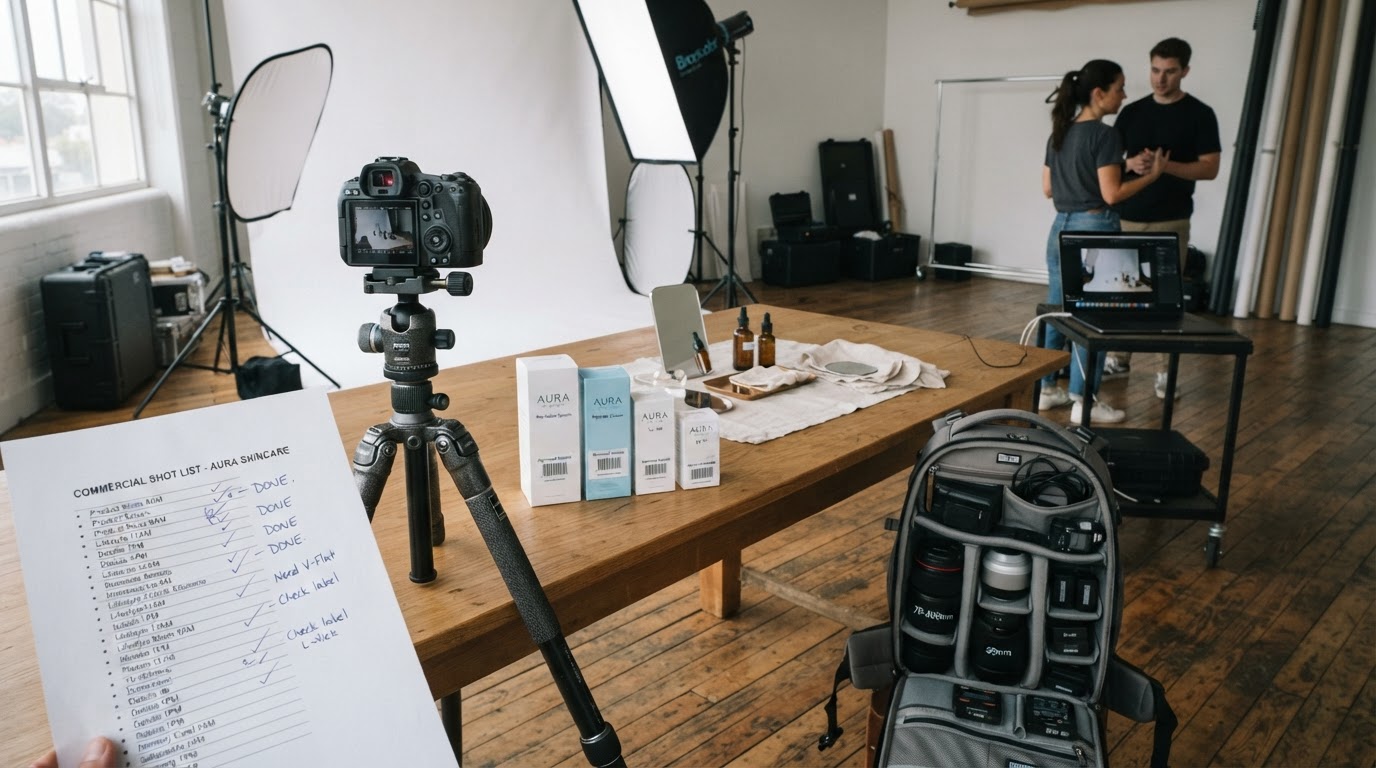
- Print the shot list and keep a paper copy on set.
- Agree the backup plan for weather, illness, or a delayed shipment.
A Simple Completion Standard
You are ready when the photographer can walk in and start shooting without asking where anything is, who is in charge, or what the images are for. If those three questions are still open, the brief is not finished.
What to Review When the Images Arrive
Review the delivery against the brief, not against your personal favorites. Start with the required shots and placements, then move to the details.
- Do the images cover every item on the shot list?
- Are the sizes and crops right for each placement?
- Is the retouching consistent across the set?
- Are the files named and organized in a way your team can use?
- Do you have the written license terms, and do they match what was agreed?
- Is there a safe archive copy of the final files?
Trade-Offs and Common Mistakes
Every commercial shoot involves trade-offs, and naming them early keeps the decision honest.
Broad usage rights usually cost more than narrow ones, because the photographer is pricing the commercial value of the image, not only the time on set. Extensive retouching buys polish but takes time. A single shoot day rarely covers a full product range, multiple locations, and a campaign concept at once; splitting the work across two sessions is sometimes cheaper than compressing it into one exhausting day. Outdoor and location work depends on weather and light, so plan a buffer.
The most common mistakes are practical. Businesses buy images without written usage terms. They brief a style instead of a deliverable. They judge a shoot by one hero frame and forget the crops needed for ads and banners. They store final files in only one place. Each of these is easy to prevent with a paragraph in the brief and a folder structure agreed in advance.
Practical Next Steps
- Write a one-page brief using the nine items above.
- Request quotes from two or three photographers whose recent work matches your subject.
- Compare quotes on scope, usage, timeline, and deliverables, not on price alone.
- Confirm the license in writing before the shoot day.
- Prepare the space, products, people, and permissions.
- Review the delivery against the brief, then archive the files and the license together.
Quick Answers to Common Questions
What does a commercial photography engagement usually include?
Planning, the shoot itself, post-production, and delivery of the agreed files with written usage terms. The balance between those stages changes with the project, so the quote should describe each one.
How far in advance should I book a photographer?
It depends on the season, the location, and how much preparation the shoot needs. As a rule, involve the photographer early enough that planning can happen before the date is locked. For campaign work with a fixed launch, earlier is almost always better.
Do I own the photographs after the shoot?
Ownership and usage are two different things. Copyright commonly stays with the photographer unless the agreement transfers it, while the client receives a license that defines what they can do with the images. Read that license before you publish, and ask for changes if it does not match your plans.