Buying by megapixels alone
Resolution matters less than sensor size, lens quality, and how the camera handles light for your subjects.
The best digital camera is the one that fits what you shoot, how much you want to carry, and how much control you want over each photo. This guide helps you narrow the choice before you compare specific models.
Answer four questions and get a starting camera category.
Work through these questions in order. Each answer points you toward a camera category, not a specific model.
| Question | If this describes you | Start by looking at |
|---|---|---|
| What will you shoot most? | everyday life, family, and travel | compact or mirrorless cameras with a versatile zoom lens |
| What will you shoot most? | fast-moving subjects such as sports, kids, or animals | mirrorless cameras with strong autofocus tracking |
| What will you shoot most? | concerts, events, or other low-light scenes | interchangeable-lens cameras with a larger sensor and good high-ISO performance |
| What will you shoot most? | landscapes and architecture | mirrorless or DSLR cameras with wide-angle lenses and high resolution |
| How much do you want to carry? | a pocket or a small bag | compact cameras |
| How much do you want to carry? | a light kit with one or two lenses | mirrorless cameras |
| How much do you want to control each shot? | you want a simple, point-and-shoot experience | compact cameras |
| How much do you want to control each shot? | you want manual exposure and the freedom to change lenses | mirrorless or DSLR cameras |
| What is your total budget? | you plan to buy the body, a lens, a memory card, and a spare battery | a budget that covers the whole kit, not only the camera body |
Pick the category that matches most of your answers. Then read the specs section below before you compare models.
The main categories differ mainly in lens system, size, and control. Each one suits a different kind of photographer.
Everyday photos, travel, and carrying a camera all day
Distant subjects such as wildlife or sports from the sidelines
A wide range of stills and video, from travel to portraits
Photographers with existing lenses, or those who prefer optical view
Megapixel counts get the most attention, but these specs have a bigger effect on the photos you take.
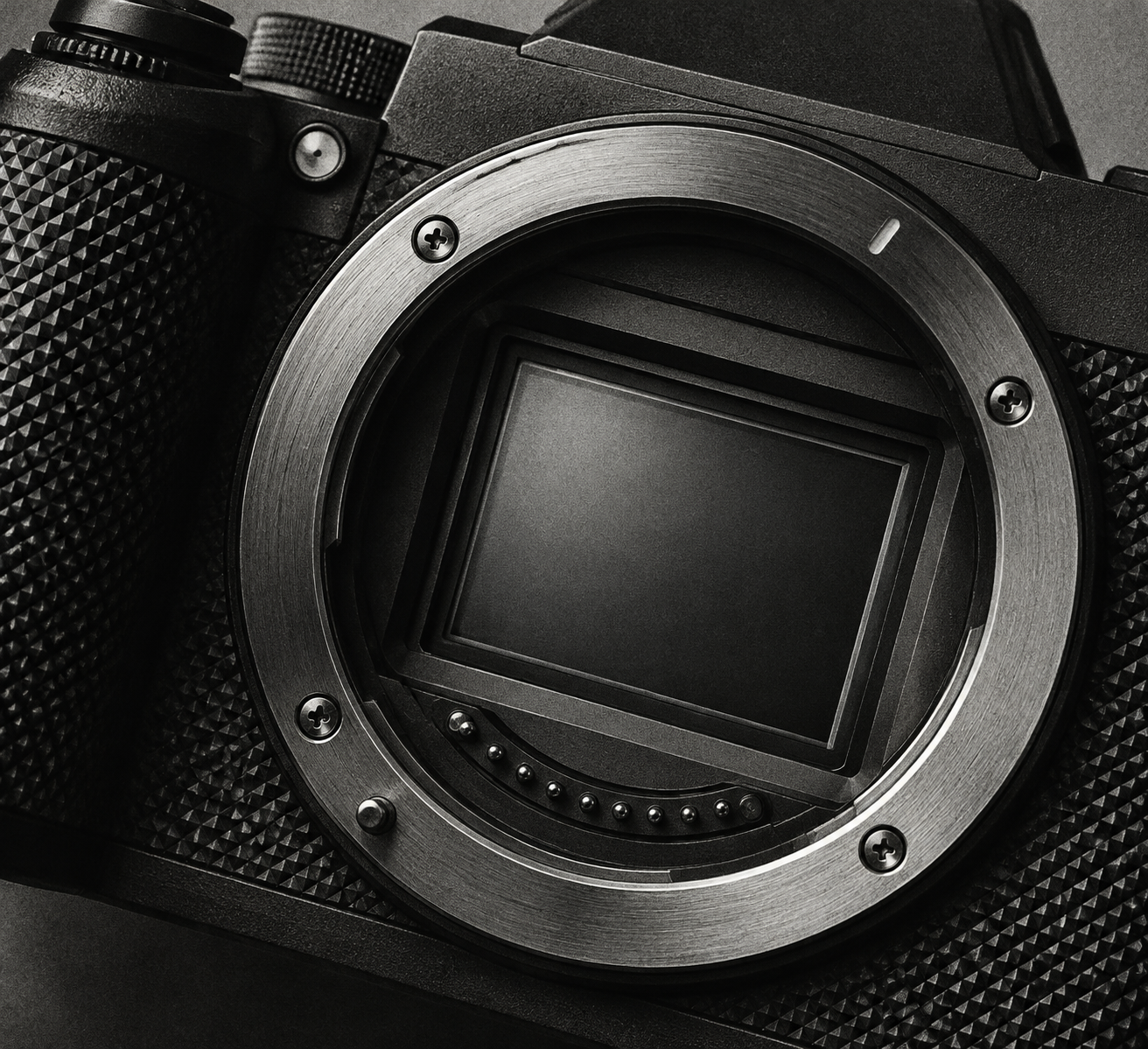
A larger sensor collects more light, which helps in dim scenes and gives you more control over depth of field.
Over time, the lenses you can attach matter more than the body. Check that the lens mount has the focal lengths you need.
Tracking performance decides whether moving subjects stay sharp. Check how the camera handles the subjects you shoot most.
Stabilization helps handheld shots in dim light. It can sit in the camera body, in the lens, or both.
An electronic viewfinder shows exposure before you press the shutter. An optical viewfinder shows the scene directly through the lens.
Real use varies with brightness and weather, so carry a spare battery. Rated counts come from standardized tests.
If you shoot video, check the resolution, frame rates, and whether the camera has a microphone input.
Resolution matters less than sensor size, lens quality, and how the camera handles light for your subjects.
A recent release may improve one feature you rarely use. Compare the features you will use every week.
The body is only part of the price. Add the lens, memory cards, a spare battery, and a bag.
Buttons, grip, weight, and menus change how often you actually take the camera out. Handle a camera in a store if you can.
Confirm that the lenses you need are available for the camera's lens mount.
Confirm the memory card type and the battery type the camera uses.
Check how the camera handles your most common subject in a sample of photos or video.
Compare the return policy and warranty at the retailer you plan to use.
Confirm current model specifications and prices on the manufacturer's site.
Model specifications and prices change often. Confirm current details on the manufacturer's site before you buy.
Many beginners do well with a mirrorless camera and a versatile zoom lens, because the camera can grow with them. If you want simplicity above all, a compact camera is a good choice.
Design matters if you will carry the camera every day. But a camera you enjoy using, and that fits the subjects you shoot, will produce better photos than one chosen only for its look.
Not always. Full-frame sensors gather more light and offer more depth-of-field control, but they cost more. Many photographers get excellent results with smaller sensors.
No. Sensor size, lens quality, autofocus, and how the camera handles light usually matter more than megapixel count for the photos you take.
Start with the lens that fits what you shoot most. The body can be replaced later, while a good lens often stays useful for years.
These tools help once you start taking photos or planning prints and licenses.
Answer the four questions, choose a camera category, and then compare specific models with the specs in mind.