What a live music photographer does
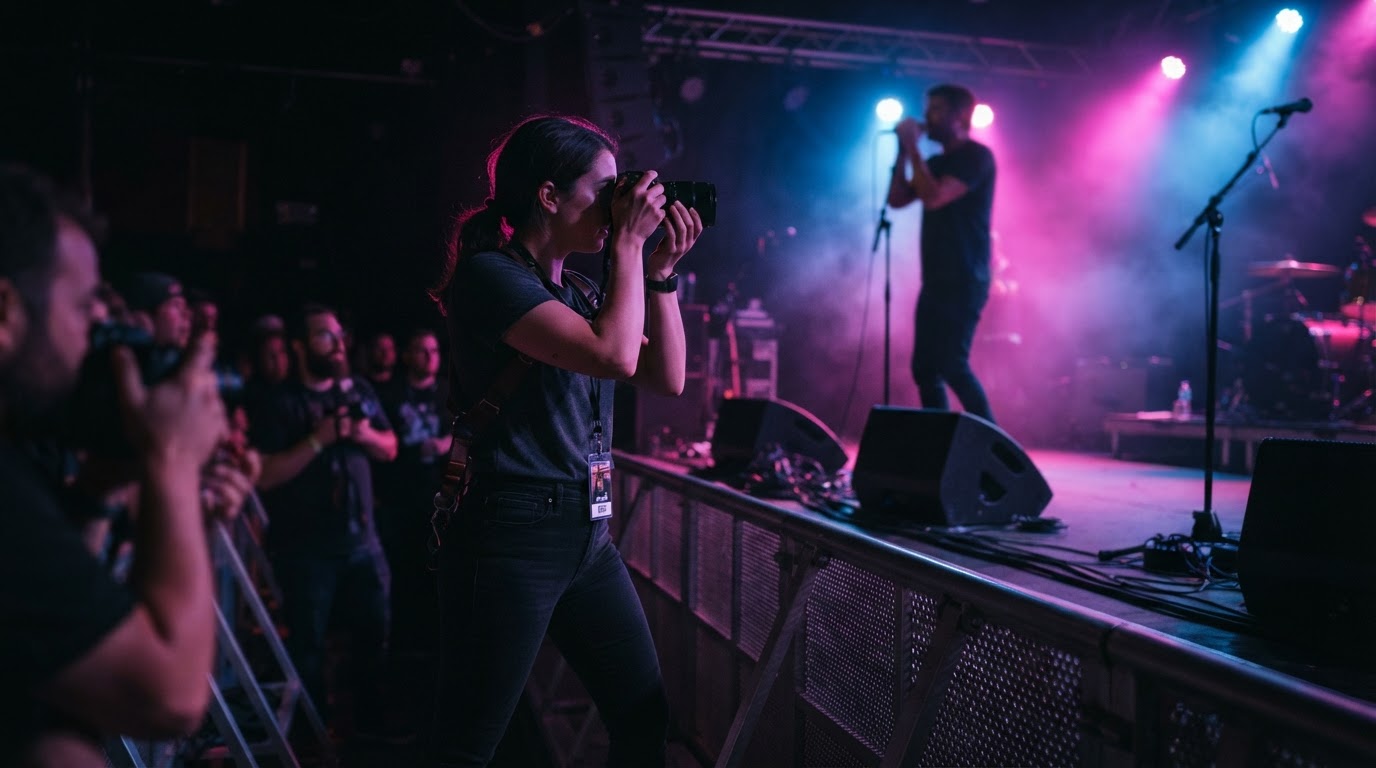
A live music photographer makes photographs of a performance while it is happening, working from the crowd, the front of the stage, or a designated photo area without interrupting the set. The work is part photojournalism and part anticipation: the photographer reads the room, follows the energy of the set, and catches the moments that carry it — a chorus, a solo, a crowd singing back — as they occur.
That is different from a posed portrait session or a promotional shoot. The performance comes first, and the photographer plans around it: where to stand, when to move, what the venue will allow, and how to stay out of the way of the artist, the crew, and the audience.
When to hire a live music photographer
Hire a live music photographer when you have a date on the calendar and a use for the images afterward. The clearest triggers are:
- A single or album release that needs visuals for press, streaming profiles, and announcements
- A tour or run of dates you want documented consistently
- An EPK, grant application, or festival submission that calls for recent live images
- A venue, promoter, or festival that wants its stage, lighting, and crowd atmosphere captured
- An archive you intend to keep growing and drawing from over the years
If the show matters and phone photos from the crowd will not carry it, book the photographer while the date is still open. It is easier to define access, scope, and usage before the night than to negotiate them afterward.
Key answers at a glance
- What they do: photograph a live performance as it happens, without interrupting the show.
- When to hire: when a release, tour, EPK, press cycle, or venue season needs images of a real night.
- What coverage includes: the performance itself, plus the crowd, the room, and sometimes backstage or promotional images, depending on the agreement.
- How booking works: agree date, venue, access, scope, delivery, and usage in writing before the show.
- How the images may be used: according to the license you agree — not automatically because you booked the shoot.
- How to choose: look for live work in venues like yours, a non-disruptive method, and clear written terms.
What live music photography coverage includes
Coverage is defined by the assignment, but most live music photography combines a set of images from the performance with the context around it. The photographer usually works through an agreed scope rather than a fixed package.
The performance. This is the core: the artist, the band, the lighting, and the movement of the set. Artists and venues sometimes allow photography only during an agreed window, or restrict flash and movement near the stage, so the photographer adapts to the rules of the room.
The atmosphere. Crowd shots, venue details, and stage-wide frames show what the night felt like, not just who was on stage. Venues often use these for season recaps, sponsorship, and marketing.
Around the set. Depending on the agreement, coverage can extend to backstage moments, load-in, or a short promotional session in a natural environment. These are separate from live performance work and should be named in the booking.
The deliverables. Ask what arrives, in what format, and when: edited high-resolution files, web-sized versions, and a delivery timeline. A clear delivery standard prevents the most common disappointment — strong images that arrive too late to be useful.
How booking a live music photographer works
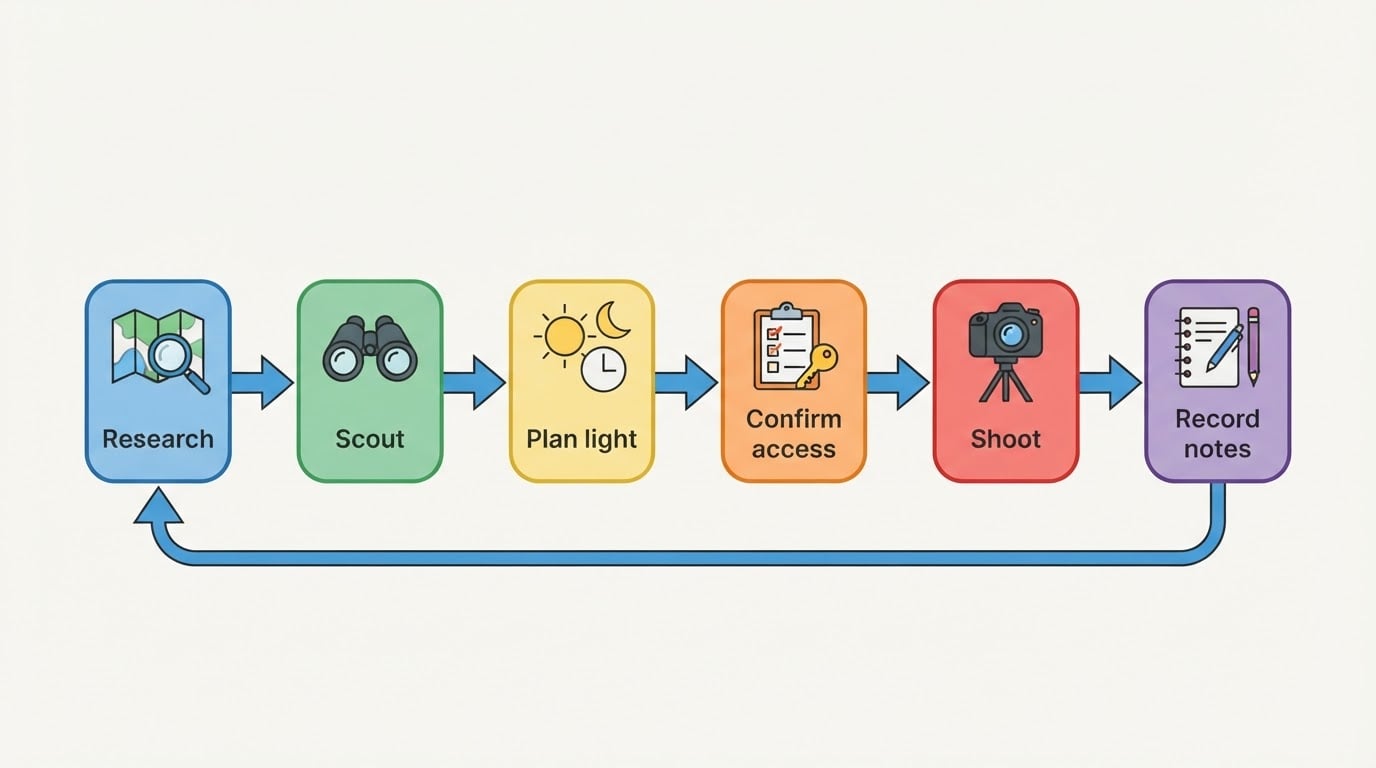
Booking comes down to agreeing six things in writing: date, venue, access, scope, delivery, and usage. Everything else is scheduling.
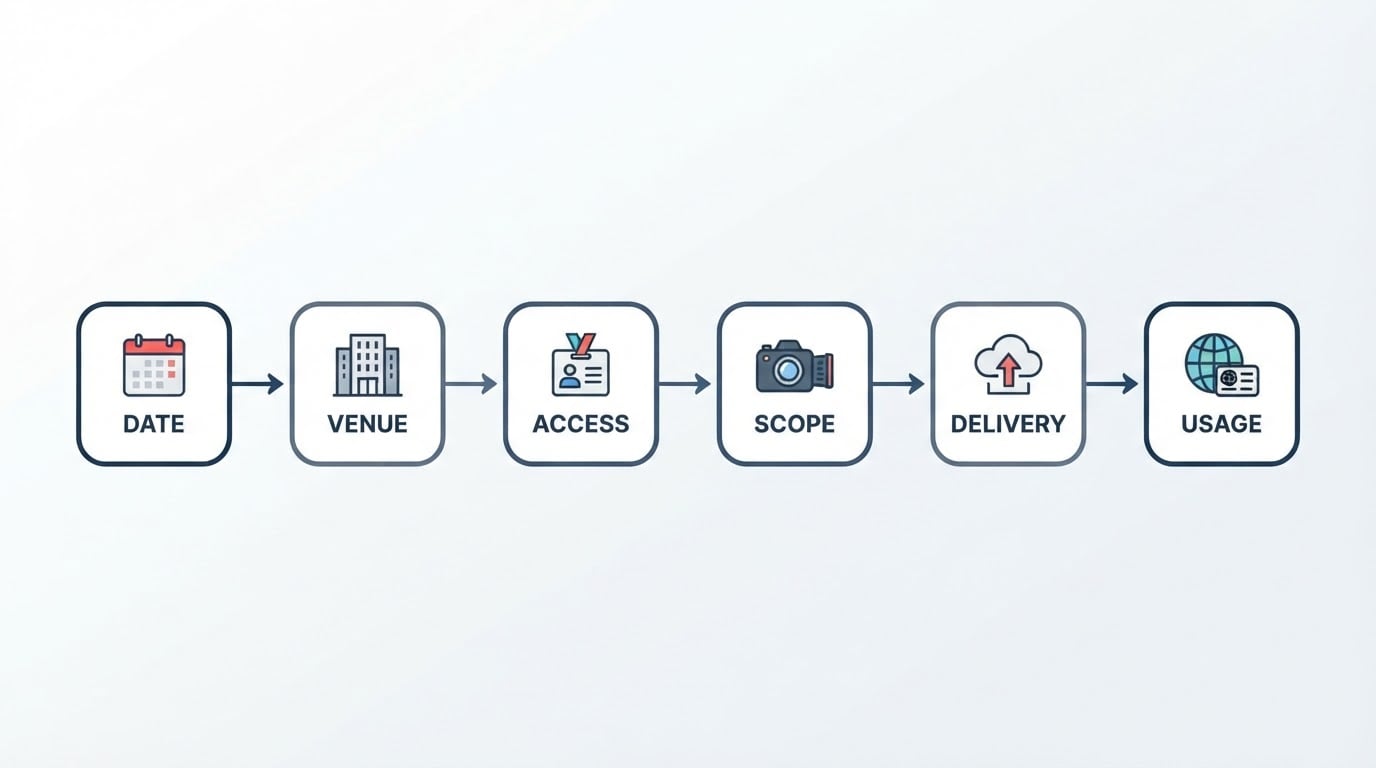
- Send the details. A useful first message names the date, the venue, the artist or event, and the kind of coverage you need. It also helps to say how you intend to use the images.
- Confirm access and rules. Venues and artists have their own policies on photo passes, where photographers may stand, and when shooting is allowed. Sorting this out early protects everyone.
- Agree the scope. Full performance or selected songs, one stage or several, live coverage only or additional promotional images — the scope decides how the night is worked.
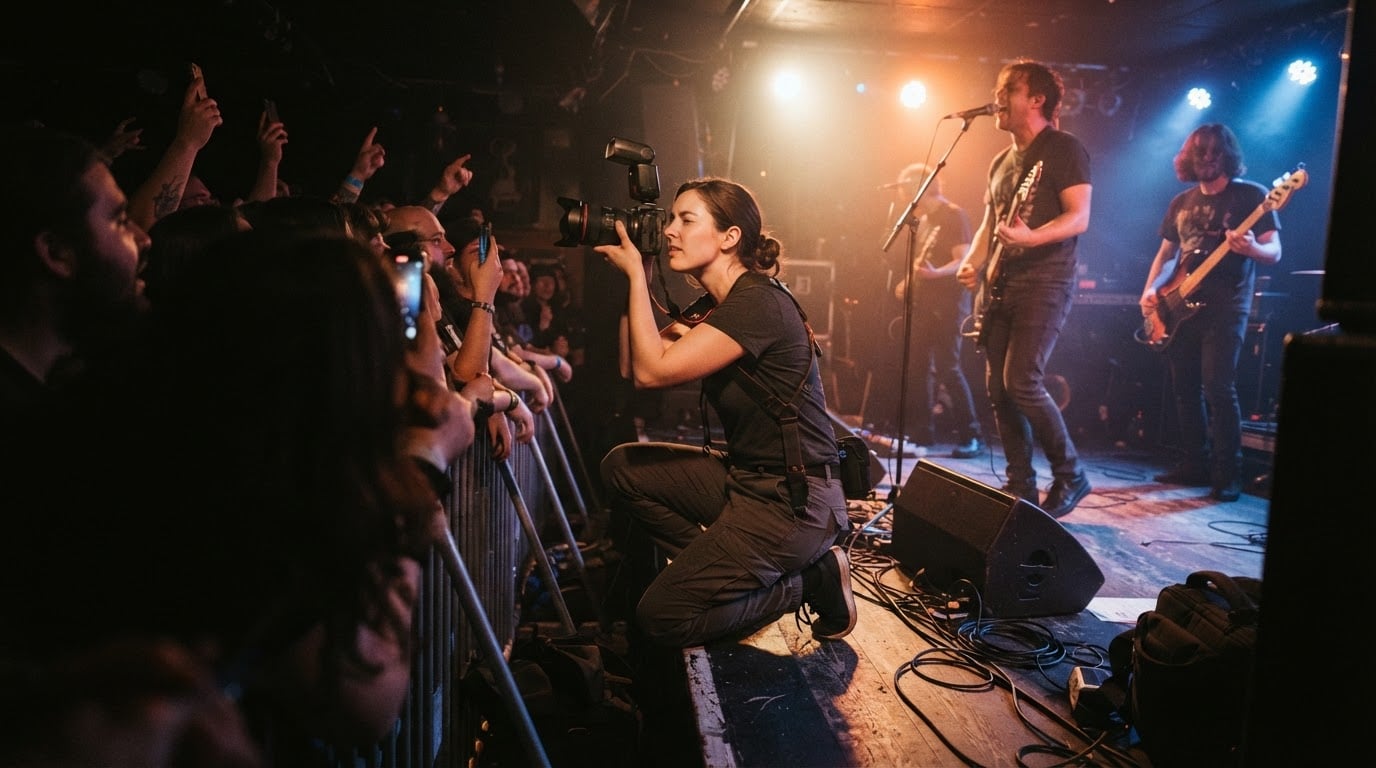
- Show night. A live music photographer shoots without interrupting the performance: no staged direction during sets, and no interference with the artist or the audience.
- Delivery. Files arrive edited and organized, usually as a gallery or a shared folder, with agreed formats and naming.
- Usage and credit. The license defines what you may do with the images and for how long. Credit requirements are part of the same conversation.
How the images may be used
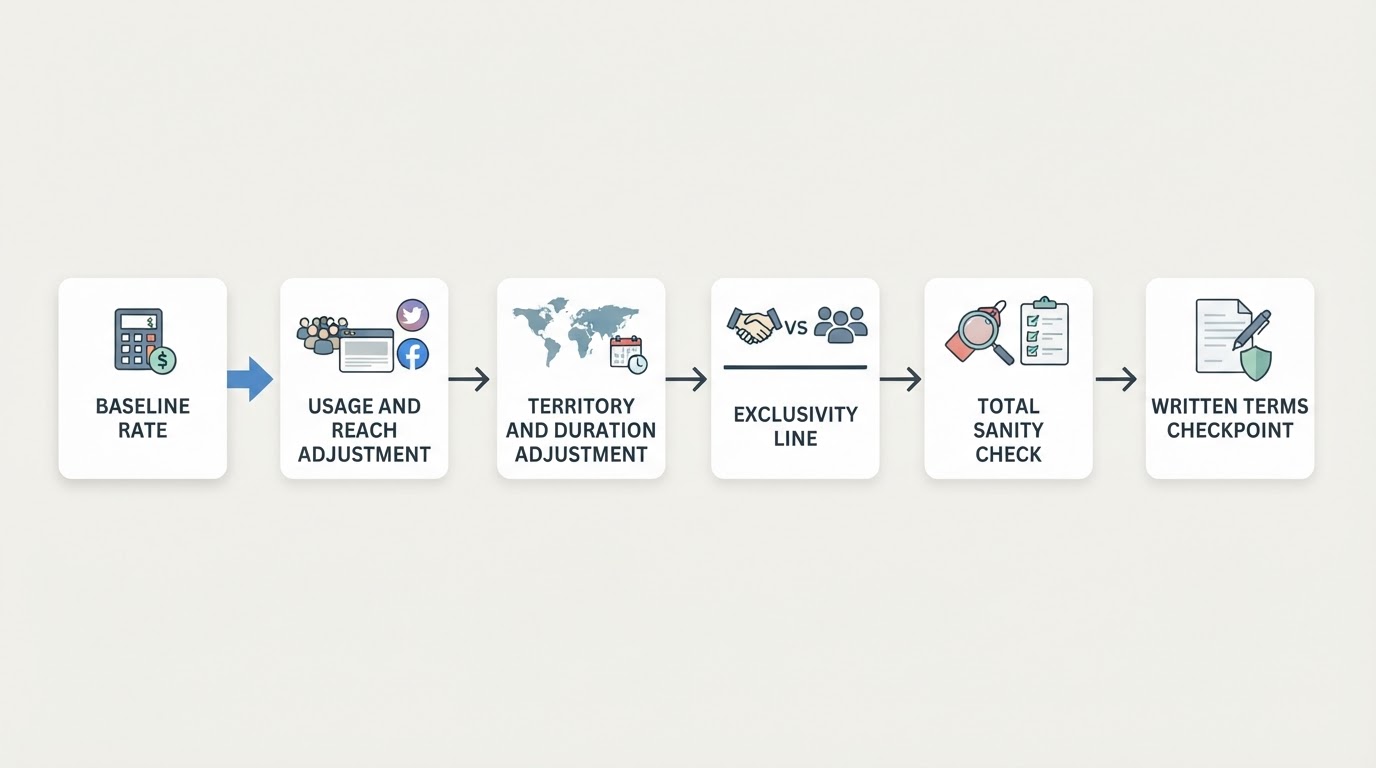
How you may use the photos depends on the license you agree, not on the booking itself. The shoot fee and the right to publish, promote, sell, or license the images are separate things.
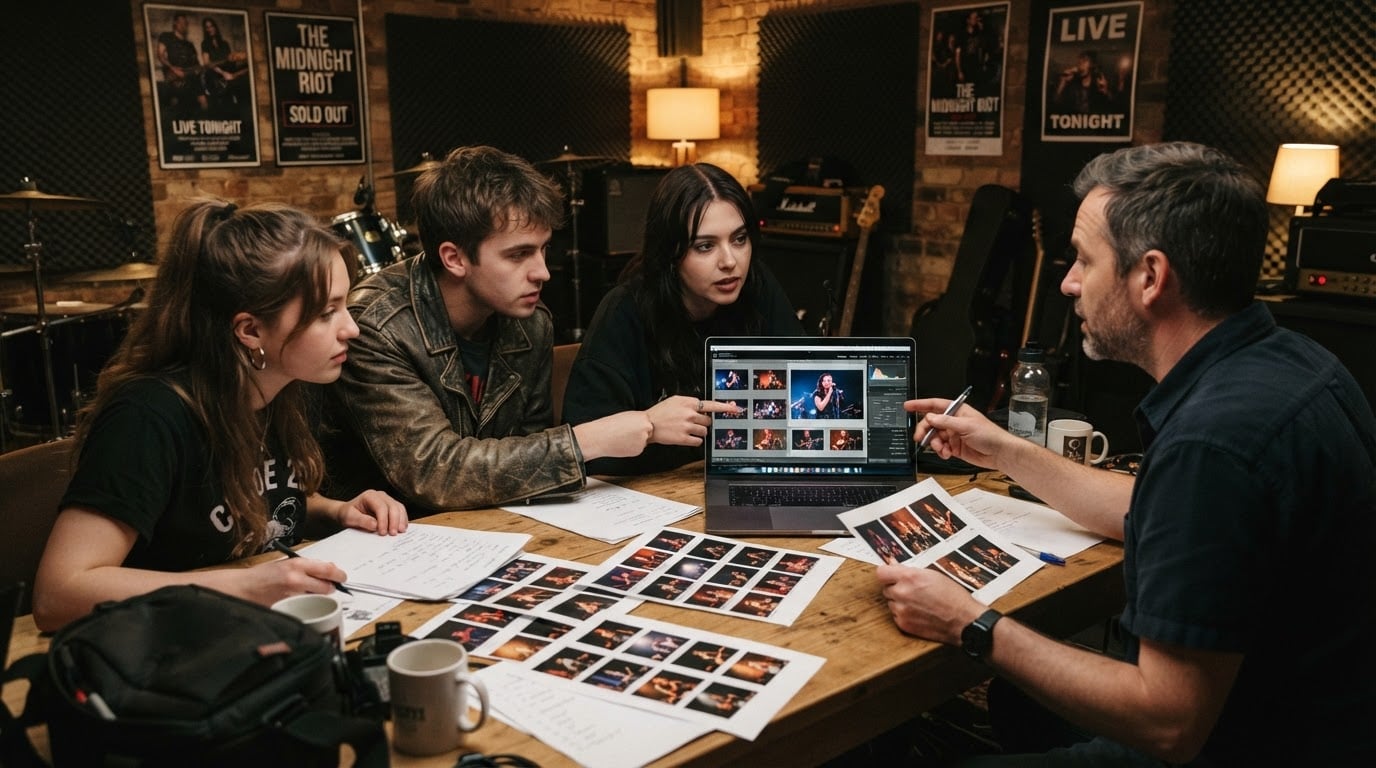
A useful license answers a short list of questions: Can you post the images on social media? Can they appear in press and editorial coverage? Can they be used in advertising, merchandise, or physical media? For how long? Is credit required? Written terms keep a good working relationship from turning into an argument six months later.
Some common patterns are worth knowing:
- Personal sharing is usually the most permissive use, often granted to the artist for non-commercial posts with credit.
- Promotional and editorial use — a release, a tour announcement, an EPK, press coverage — is normally covered by a defined license with a duration.
- Commercial use such as advertising, merchandise, or a festival's next-season campaign typically needs a separate, broader license.
- Past use can be regularized afterward, but it is simpler to agree before publishing than to resolve it later.
When in doubt, ask for the terms in writing and keep them with the files. The license travels with the images, including when a designer, publicist, or venue picks them up later.
How to choose a live music photographer nearby
Choose a live music photographer whose portfolio shows real shows in rooms like yours, who works without disrupting the performance, and whose usage terms are clear before the night. Location matters less than fit, but it does shape cost and availability.
Look for:
- Live work in similar rooms. A photographer experienced in small clubs, theaters, and festivals understands how different lighting, stage heights, and crowd layouts change the job. Ask to see a full gallery from one show, not only a highlight reel.
- A method that protects the performance. The best live work is made without interrupting it. Ask how the photographer works the room and what they do when the light is difficult or the stage is crowded.
- Clear logistics. Coverage area, travel, arrival time, and how the files are delivered are practical questions that reveal how organized the process will be.
- Written usage terms. Ask what the license covers before you book, and confirm credit and duration in the same document.
- A relevant archive. For recurring work — a venue season, a festival, a band's touring cycle — a photographer who keeps a browsable archive makes it easier to find images from a specific night later.
An example from Connecticut and New England
Chris Sidoruk Media is one example of how live music coverage works in practice across Connecticut and New England. The work is assignment-based: it documents live performances without interrupting the show, and coverage can span full performances or select songs, crowd atmosphere, backstage moments, and venue documentation depending on the assignment. It works with both regional bands and touring artists, and recent work includes concert photography, festival coverage, venue documentation, editorial imagery, and select promotional photography. Enquiries are handled through a defined intake — date and venue, artist or event name, and the type of coverage needed — which is the same information any photographer needs to quote and plan the night.
Treat that as a template rather than a shortcut: whoever you book, confirm access, scope, delivery, and usage in writing before the show.
FAQ
Is a live music photographer the same as a concert photographer?
In practice, the terms overlap. Both describe someone who photographs live performances; "live music photographer" usually emphasizes music and the performance itself, while "concert photographer" is used more broadly for any live show, including festivals and touring productions.
Do I need a photo pass to have a show photographed?
Usually yes, if you are not the photographer. Venues and artists control who may photograph a performance, where they may stand, and when. The photographer normally confirms these rules as part of booking.
Can we use the photos for merchandise or advertising?
Only if the license covers commercial use. Merchandise, advertising, and campaign imagery usually require a broader agreement than press or social media posting, so confirm this before the shoot.
How far in advance should we book?
As soon as the date is confirmed. Live music photography is date-bound work, and an early booking gives both sides time to sort access, scope, and usage without rushing on the night.
What if the venue is very dark or the stage is crowded?
That is normal for live music. A photographer prepared for low light and limited movement works within the venue's rules rather than changing them, which is why it helps to review live work from comparable rooms before you book.