What a Drone Company Actually Does
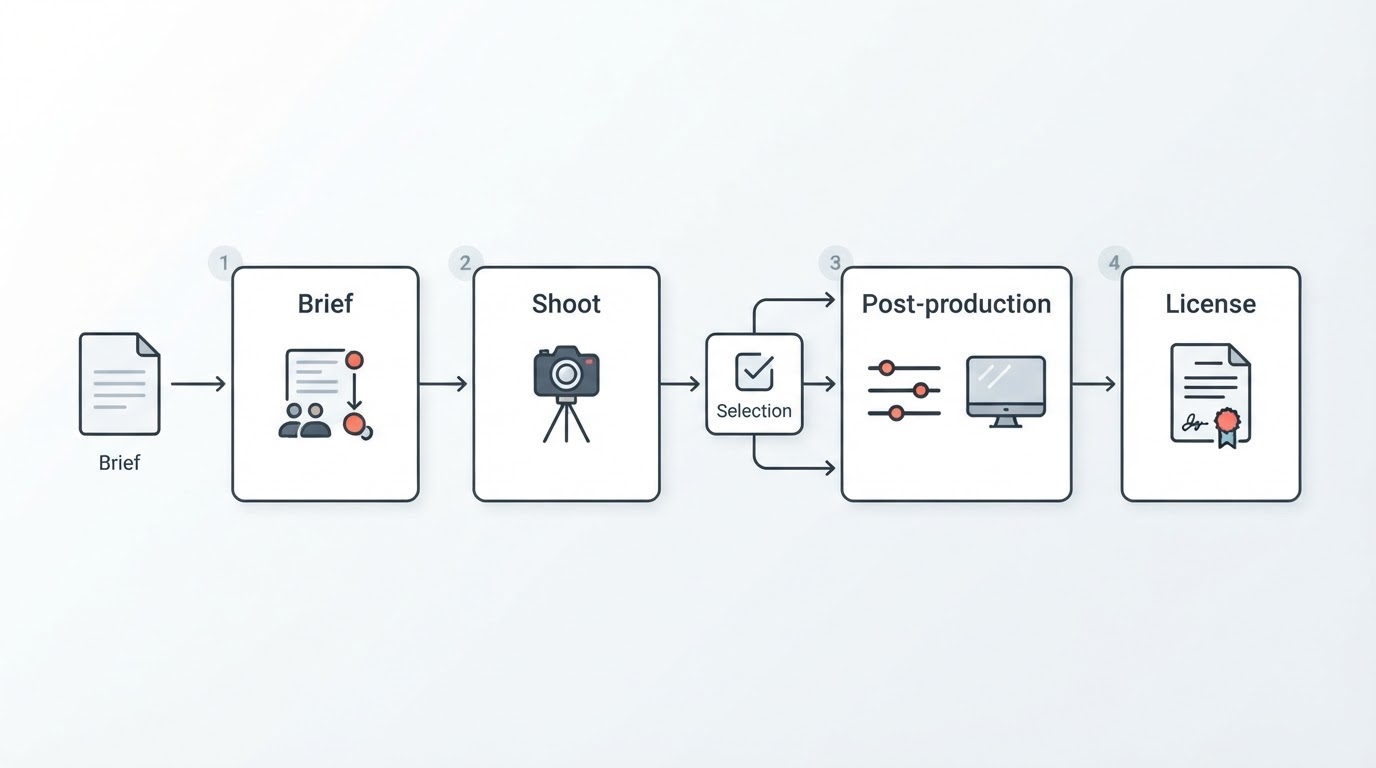
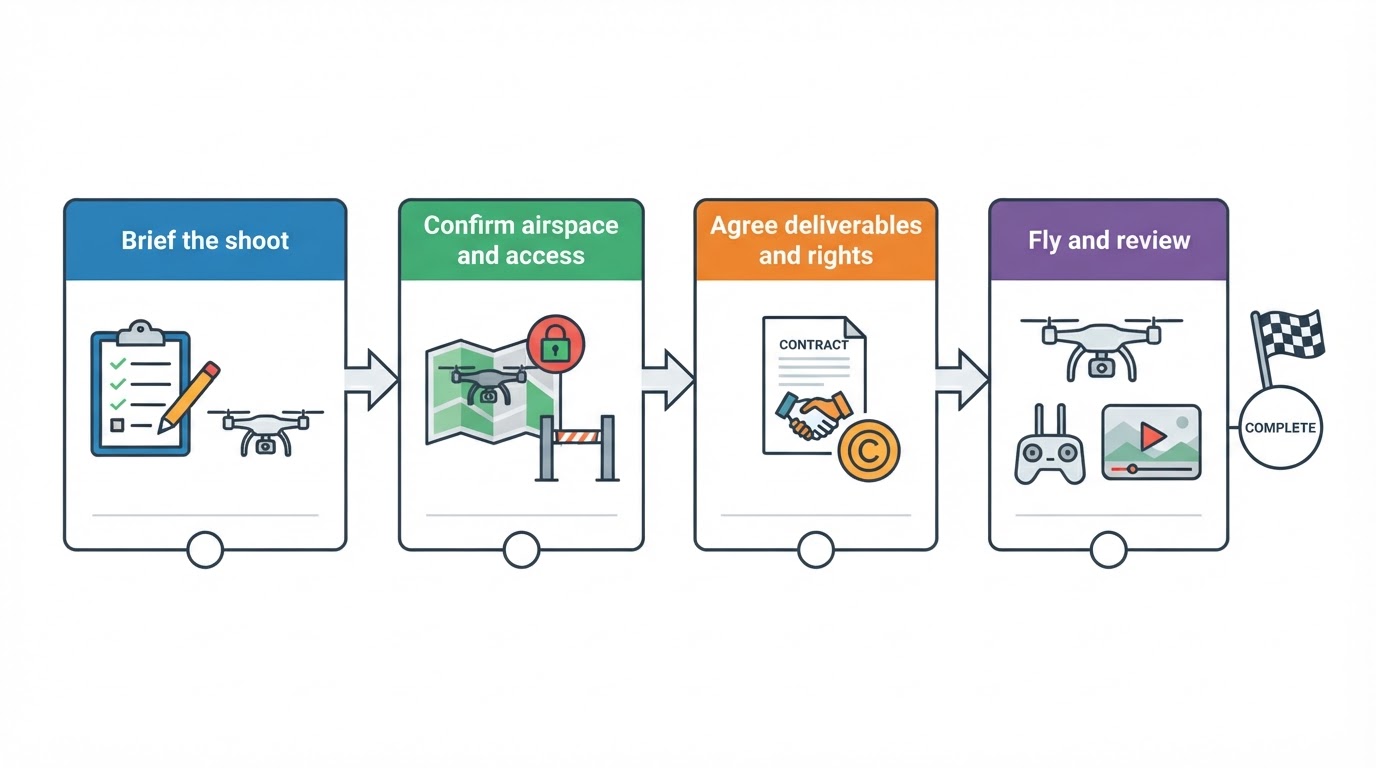
A drone company flies small aircraft to capture aerial photography, video, and sometimes data for clients who need a view from above. The flight itself is usually the shortest part of the work. A professional provider plans the shot list, checks airspace and permissions, coordinates site access, watches the weather, and delivers edited files in formats the client can actually use.
Providers tend to work in a few lanes. Marketing and real estate teams hire them for property, hospitality, and brand imagery. Venues, promoters, and event organizers hire them for coverage that shows scale and atmosphere. Construction and facility managers hire them for progress documentation. A smaller group specializes in data work such as mapping and inspection, which produces a different deliverable than a marketing shoot.
That is why two providers can quote the same location and hand over very different results. The useful question is not whether a provider can fly, but what they will deliver, how quickly, and what you are allowed to do with the files afterward.
Start With the Job, Not the Search Results
Before you scroll through results for a drone company near me, write a short brief. It should state the location, the date or date range, the goal, the deliverables you expect, and where the finished work will appear. If the images or video will run in a paid ad, a website refresh, or a printed campaign, say so at the start; usage changes both the plan and the license.
Decide on formats as well. Stills, vertical social clips, and a two-minute brand film each require different flight time and editing. If you are unsure, ask for a few options with a plain description of what each one includes instead of accepting a single package.
Then add the part most people skip: how you will judge the result. A venue may care about capacity and atmosphere, a property manager may want repeatable angles that match last season, and a promoter may value speed over polish. Stating that standard up front keeps quotes comparable.
What "Near Me" Should Really Mean for a Drone Company
An office address matters less than the service area, familiarity with your location, and the ability to return when the weather cooperates. A provider based an hour away can still be the better choice if they have flown your site or something similar and know the access points.
Ask about proximity in practical terms. Do they regularly work in your area, or would this be a first visit with added travel time? Can they arrive early or late when light and airspace are most workable? And if the first date is grounded, how soon can they come back?
Local familiarity also covers rules that are easy to miss. Airspace, park permits, noise expectations, and venue restrictions vary from town to town, and a provider who works your area often will know how to handle them without a scramble.
Matching Provider Type to the Job
Most results for a local drone search fall into one of three shapes, and each fits a different kind of project.
Disclosure: this guide is published by Chris Sidoruk Media, which offers its own drone photography and video services, so treat the provider-type notes here as general guidance rather than a neutral ranking.
Local drone specialists fly the same airspace often, so they usually know the permit quirks, launch points, and sight lines around a specific town.
National aerial-data providers work across many metros and standardize their deliverables, which helps when the same job repeats in several states.
Generalist photographers with a drone can cover a mixed shoot where aerial images are one part of the brief, but confirm that the pilot meets the same certification and insurance expectations as a dedicated operator.
Chris Sidoruk Media is one example of the local-specialist shape: it lists drone photography and video among its professional services, its published print catalog includes aerial images, and its coverage footprint is New England.
Match the shape to the job rather than to the brand. A one-day local shoot usually fits a nearby specialist, a multi-site program fits a standardized provider, and a mixed media day fits a generalist who can also fly.
Credentials and Safety Checks That Should Be Verified
Commercial drone work in the United States is regulated, and the checks below are specific enough to verify rather than take on trust.
Certification
In the United States, commercial drone flights are governed by the FAA's small UAS rule, known as Part 107, and the pilot in command must hold a remote pilot certificate. Ask to see the certificate, and confirm who will actually be at the controls on the day; on larger shoots an assistant may fly while the lead directs.
Registration
Aircraft that meet the FAA's weight threshold must be registered, and the registration number must be carried on the drone. Asking about registration is a quick way to confirm that the aircraft being flown is tracked and legal.
Insurance
Ask for a certificate of insurance and check whether the coverage is aviation-specific. General business liability policies often exclude aviation activity, and some venues will require proof before they allow a launch from their property.
Airspace and Permissions
Controlled airspace near airports calls for authorization, which many operators request through the FAA's LAANC system before they fly. Temporary flight restrictions can appear around large events and emergency scenes, and parks, landmarks, and private venues may add their own approval steps. A good provider will describe how they check all of this for your date rather than promising a clear flight in advance.
Site Safety
Ask how they manage people on the ground, what they do when wind or battery levels reach their limits, and whether they bring a visual observer for complex shoots. Safety planning is a reasonable topic to raise directly, and the answer tells you how much thought goes into the flight.
Questions to Ask Before You Book
Use these as a script for your first call or email.
- Who will pilot the flight, and can you share the certificate and registration details?
- What insurance do you carry, and can you provide a certificate that names my organization?
- Have you flown this location or one like it, and how will you check airspace and any permits?
- What exactly is delivered: file formats, resolution, edit length, and number of revisions?
- Who owns the files, and what usage rights are included for web, social, print, and paid media?
- How long do those rights last, and what does renewal or extended use involve?
- What happens if weather, airspace, or a site restriction grounds the flight?
- How much notice do you need to reschedule, and how do you prioritize a return visit?
- Are there access requirements, insurance certificates, or permissions my venue needs to provide?
- What is the timeline from flight to final delivery, and how are the files transferred?
A provider who answers these plainly is easier to work with than one who deflects. If an answer stays vague, ask for it in writing before you commit.
From Shortlist to Booking
The handoff works best as a short sequence.
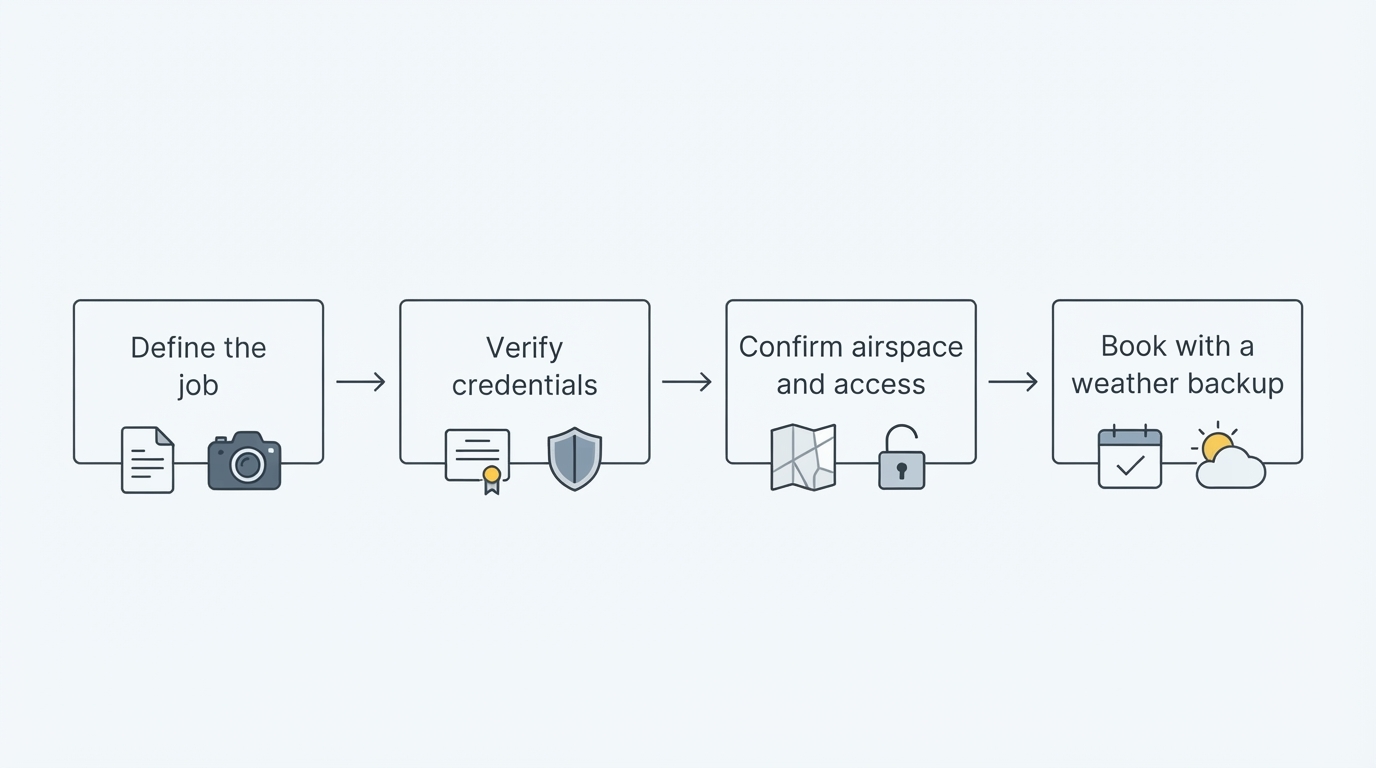
- Send a one-page brief. Include the location, date window, goal, deliverables, usage, and your contact for site access.
- Request a written quote and credentials. Ask for the certificate details, an insurance certificate, and a quote that lists what is included and what is not.
- Confirm airspace, permits, and access. Let the provider lead the checks, but ask for a short written confirmation before the flight date.
- Agree on rights and rescheduling. Put the usage scope, delivery format, and the weather backup into the agreement.
- Hold a short pre-flight call. Review the shot list, arrival time, parking or staging, and who will be on site.
- Debrief after delivery. Flag any shot that missed the brief while the provider still has the raw files, and confirm how long the archive stays available for a re-edit.
Trade-Offs and Limits to Plan Around
Aerial work has real constraints, and planning around them is cheaper than discovering them on the day.
Light is the biggest one. Drones capture their best images in the soft light around sunrise and sunset, and harsh midday sun flattens detail. If your schedule allows only one time slot, expect the provider to work with what is available rather than fix it later.
Wind, rain, and cold shorten safe flight windows, and battery time limits how much ground you can cover in a single visit. Multi-location days may need more flight time, a second pilot, or a two-day plan.
Some places are out of bounds or impractical for a routine job. Airports, emergency scenes, crowded events, and indoor spaces each call for a different approach, and a provider may suggest a mast, a handheld rig, or a ground-based alternative instead of a flight.
Finally, the files are not the same thing as the rights. A lower quote that grants limited usage can cost more later if you need the images for paid media or a longer campaign. Compare quotes using the same usage terms, not just the same flight time.
Choosing With Confidence
The short version: brief the job, verify certification and insurance, and confirm usage rights before you pay a deposit. A drone company near me is not hard to find; the difference between a smooth project and a frustrating one is the checking you do before the flight.